Tokenization: The Next Real Estate Frontier
Asset Tokenization Overview
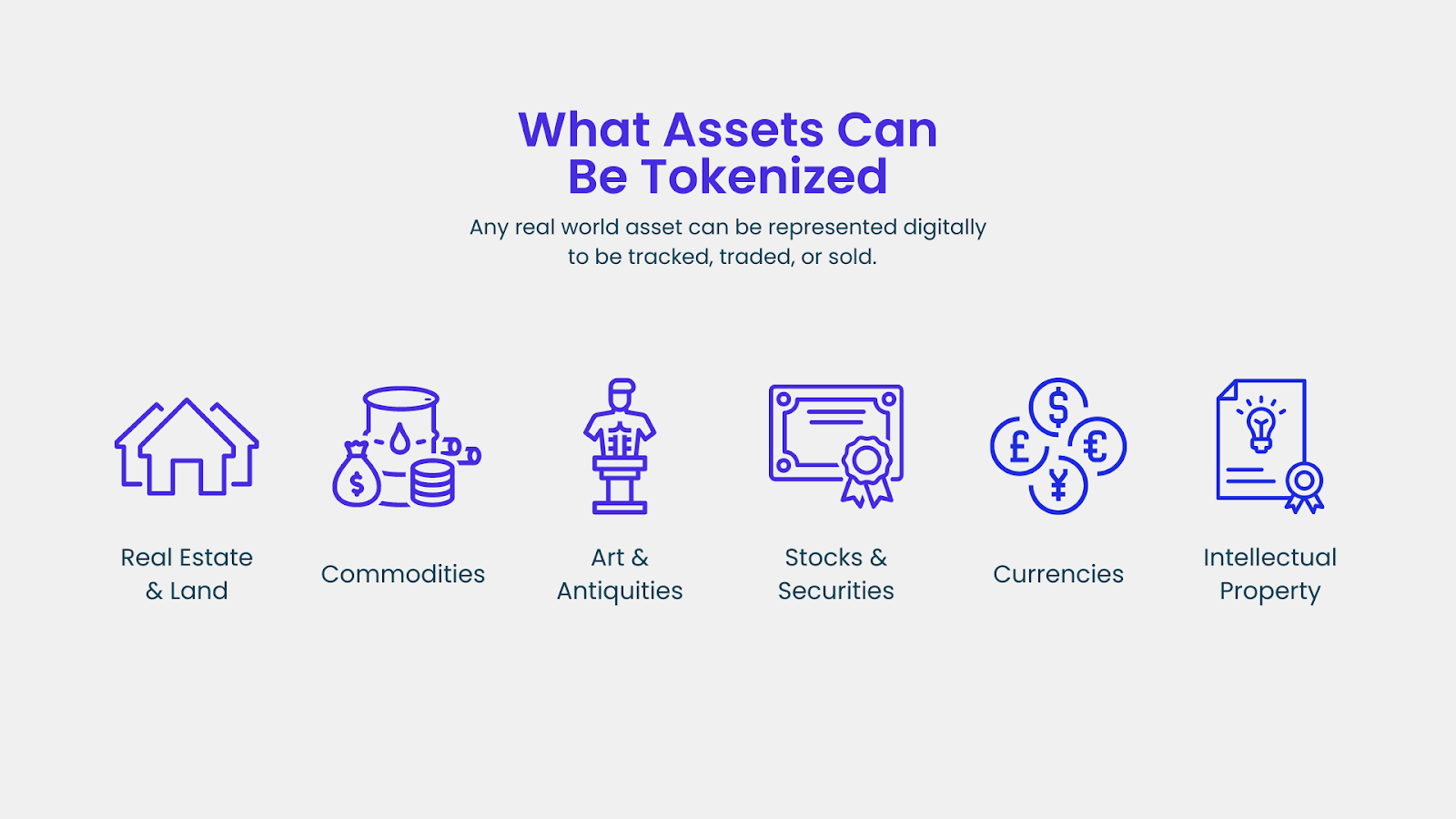
The tokenization of real-world assets (RWA) is fundamentally changing the property investment landscape. By transforming physical assets like commercial buildings, logistics hubs, and residential portfolios into digital tokens, we can offer fractional ownership with unprecedented liquidity. This allows investors to diversify across multiple high-value assets with lower entry capital while benefiting from the same yield as a sole owner.
At Kakol Real Estate, we are at the forefront of this shift. We help project developers and asset managers structure their portfolios for the next generation of investors. This involves more than just tech; it requires a deep understanding of local property laws and the creation of SPVs (Special Purpose Vehicles) that seamlessly bridge the physical and digital worlds.
Programmable Property
The real power of tokenization lies in the 'Programmability' of the asset. We can embed compliance rules directly into the token. This means a token can automatically prevent sale to non-KYC'd entities, ensuring the asset stays within the legal requirements of its jurisdiction without manual oversight.
Yield distribution is also being automated. Instead of quarterly manual payments, smart contracts can distribute rental income or profits in real-time, directly to the token holders' wallets. This reduces overhead and increases trust for the investor.
Tokenization represents the future of asset management. We provide the bridge between traditional property expertise and the technical innovation required to unlock the liquidity of your portfolio.
1Programmable compliance: the end of manual oversight.
- Smart contracts enforce KYC/AML rules and ownership limits at the protocol level.
- Secondary market trades are automatically validated against local property laws of the asset's jurisdiction.
- Regulatory reporting is automated, providing real-time transparency for tax and auditing authorities.
2Real-time yield: eliminating quarterly friction.
- Automated rent distribution eliminates the need for manual administrative processing.
- Dramatically lower management overhead allows for the profitable maintenance of thousands of micro-shares.
- Instant reinvestment opportunities via DeFi protocols allow for higher compounding velocity.
3Digital twins: transparency in due diligence.
- Real-time data feeds on occupancy, energy consumption, and structural health are linked to the asset token.
- Investors can verify the performance of the physical asset from anywhere in the world, in real-time.
- AI-driven maintenance schedules reduce operational costs and protect long-term asset value.
Key Analysis Themes
Strategic Takeaway
Tokenization Impact
Global Challenges
- 01Jurisdictional Legal Friction
- 02Token Liquidity Depth
- 03Valuation Accuracy for Fractions
- 04Smart Contract Fault Tolerance
- 05Investor Education Gaps
Expert Advisory
Navigate complex trade corridors with institutional-grade intelligence and tactical execution.
Schedule BriefingKey Analysis Themes
Tokenization Impact
Global Challenges
- 01Jurisdictional Legal Friction
- 02Token Liquidity Depth
- 03Valuation Accuracy for Fractions
- 04Smart Contract Fault Tolerance
- 05Investor Education Gaps
Expert Advisory
Navigate complex trade corridors with institutional-grade intelligence and tactical execution.
Schedule BriefingKey Analysis Themes
Tokenization Impact
Global Challenges
- 01Jurisdictional Legal Friction
- 02Token Liquidity Depth
- 03Valuation Accuracy for Fractions
- 04Smart Contract Fault Tolerance
- 05Investor Education Gaps
Expert Advisory
Navigate complex trade corridors with institutional-grade intelligence and tactical execution.
Schedule Briefing